Farmhouse style became America’s favorite because it actually works for real life. Joanna Gaines showed us that shiplap and open layouts could be warm and livable, not just trendy.
Pinterest exploded with before-and-afters that made the style feel achievable.
Millennials loved it because neutral palettes, durable materials, and flexible spaces handled messy family living well.
Builders caught on, stocking affordable updates everywhere.
Unlike flashy trends, farmhouse stuck around because it blends nostalgia with practicality—and if you’re curious why it keeps winning, there’s plenty more to uncover.
How Farmhouses Went From Practical to Fashionable
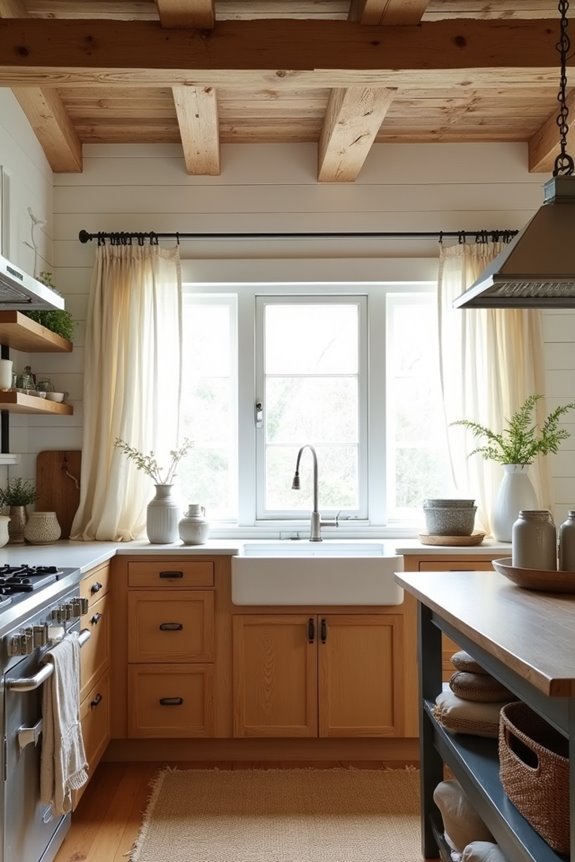
How’d we get from drafty barns and bare-bones cabins to kitchens with shiplap everywhere? I’ll tell you—it’s a journey from survival to style.
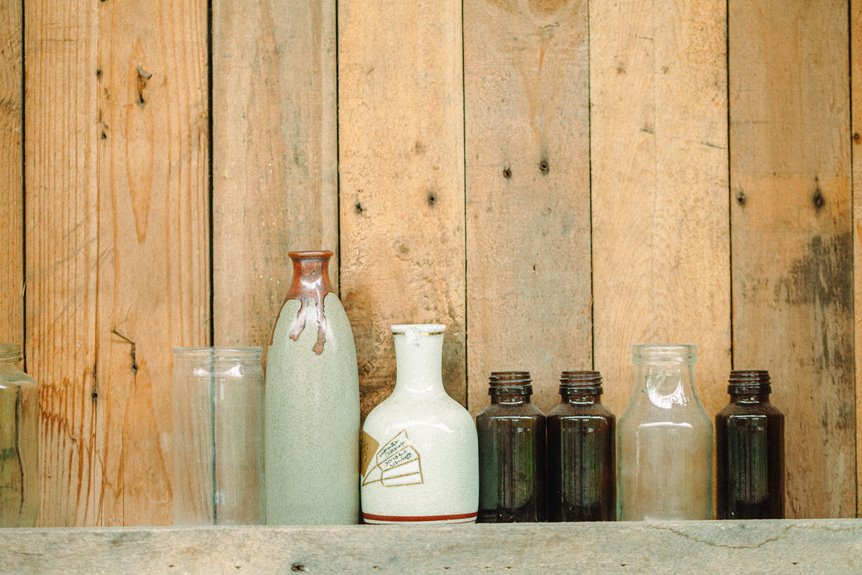
Originally, farmhouses weren’t designed to impress anyone. Families built with whatever natural materials they had: wood, brick, stone. Function beat fashion every single time. Then something shifted. People started appreciating that honest, weathered aesthetic. We craved the rustic charm without actually living without electricity.
Enter the evolution. Designers softened distressed furniture and updated finishes while keeping that authentic feel. Joanna Gaines took this concept further, showing us how open floor plans and shiplap walls could feel both cozy and contemporary. Suddenly, natural materials weren’t just practical—they were desirable. We weren’t just preserving rural heritage anymore. We were creating spaces that looked carefully designed while maintaining their genuine character.
The Fixer Upper Effect: Why Joanna Gaines Changed Everything
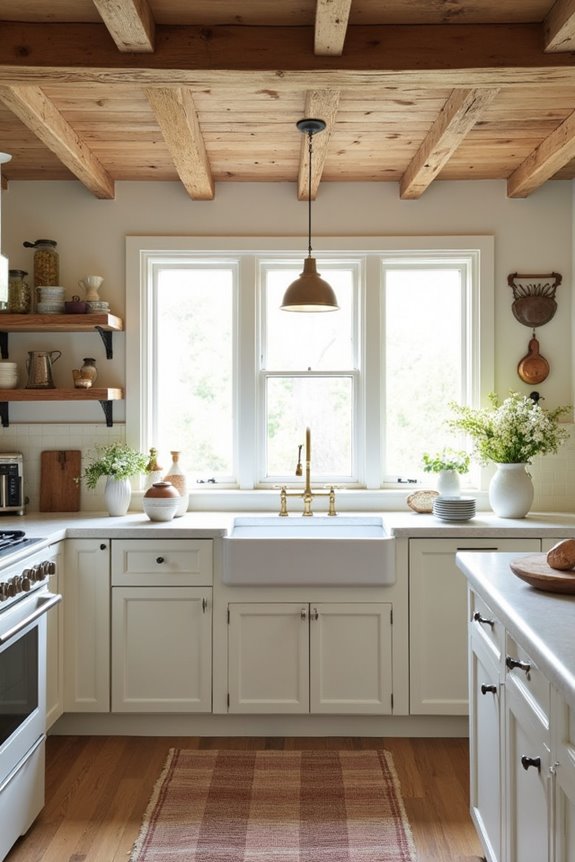
The modern farmhouse aesthetic she championed felt accessible. Open floor plans. Warm neutrals. Shiplap. Mixed materials like wood and stone. Suddenly, farmhouse wasn’t stuffy or dated anymore.
Her Magnolia brand amplified everything. It made the style feel achievable for everyday people like us. Social media exploded with before-and-afters. We started searching frantically, buying furniture, planning renovations.
Joanna proved that combining traditional elements with contemporary design wasn’t just possible—it was desirable. She didn’t invent farmhouse style. She made us crave it.
What Millennials Were Looking For (And Why Farmhouse Delivered)
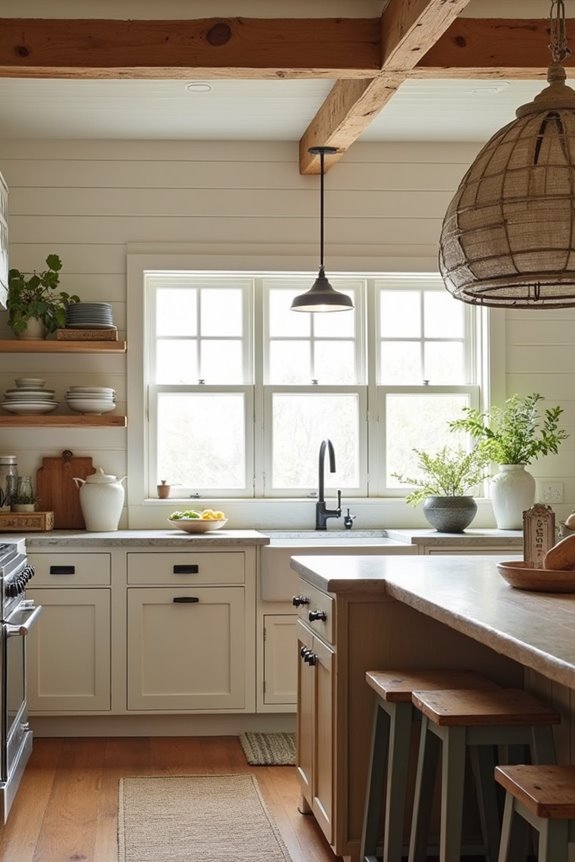
Why’d millennials fall so hard for farmhouse style when so many other design trends were competing for our attention? We wanted homes that actually worked for our lives. Modern farmhouse delivered exactly that—functional design paired with natural materials like wood and linen that felt honest and calming. We craved spaces without clutter, rooms where families could genuinely live without fearing we’d ruin something precious. The best part? Accessible updates made it achievable. Shiplap, beadboard, mixed metals—these weren’t expensive overhauls. They were affordable tweaks that improved our spaces. Millennial preferences aligned perfectly with farmhouse’s warm neutrals and durable craftsmanship. Pinterest boards filled with collected-looking interiors showed us the way. We weren’t just decorating; we were building spaces that matched who we actually were.
Pinterest, Houzz, and the Viral Spread Explained
Ever scrolled through Pinterest at midnight and suddenly realized three hours’d vanished? That’s exactly how the farmhouse viral spread happened. Pinterest and Houzz became our design playgrounds. I’d save one white shiplap photo, then another, then ten more. Before I knew it, I’m seeing farmhouse inspiration everywhere—neutral palettes, mixed metals, rustic woods.
These social platforms created something powerful: a feedback loop. I’d bookmark designs. Others did too. Suddenly, everyone wanted farmhouse stuff. Retailers noticed. They stocked more. We shared more photos. The cycle accelerated.
What made this viral spread unstoppable? These platforms translated farmhouse into something accessible. The style worked in suburban homes and city condos alike. Design cues felt timeless. We weren’t just scrolling anymore—we were actively shopping, inspired by what we’d discovered together online.
How Builders Capitalized on Farmhouse Demand
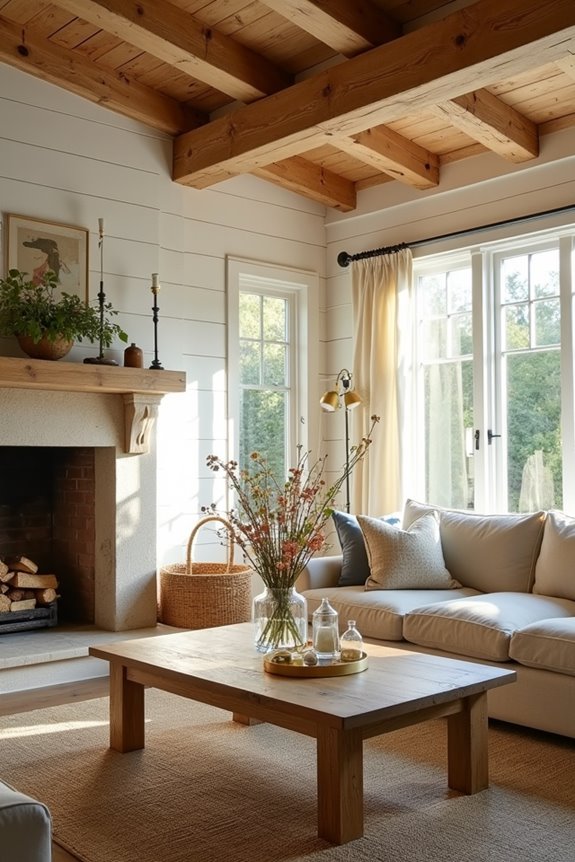
Builders jumped at the opportunity the moment they saw farmhouse fever spreading across our feeds. They recognized we craved modern variations of farmhouse style—the blend of traditional warmth with contemporary design that felt both fresh and timeless.
Smart builders responded by creating open floor plans people actually wanted to live in. They installed Shaker-style cabinets, quartz countertops, and durable finishes that could handle real family life without falling apart. They shifted exterior palettes toward darker tones and mixed materials like brick with board-and-batten, keeping homes vibrant yet lasting.
These builders understood something important: we weren’t buying exact replicas from magazines. We wanted practical spaces we could personalize and love for years. That’s what made the farmhouse boom genuine and sustainable.
Beyond Shiplap: Farmhouse’s Modern Evolution
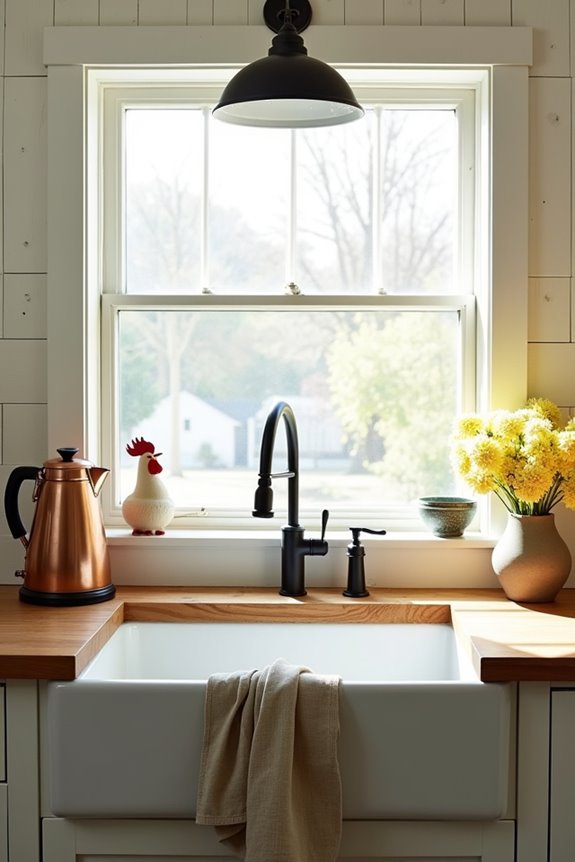
When did farmhouse style stop being about distressed wood and start becoming something we’d actually want in our homes? I think it happened when designers realized we craved warmth without the worn-out look.
Modern Farmhouse evolved into something genuinely livable. Here’s what changed:
Modern Farmhouse evolved when designers prioritized livability—clean lines, mixed materials, and bright spaces replaced heavy distressing and clutter.
- Clean lines replaced heavy distressing—furniture became more streamlined while keeping that cozy farmhouse soul
- Mixed materials took center stage—think brick paired with wood, stone with steel, creating visual interest
- Brighter, open layouts with vaulted ceilings—spaces felt bigger and less cramped
Magnolia’s influence showed us that farmhouse didn’t mean cluttered or old. We could embrace natural materials and warmth while enjoying contemporary comfort. The style finally spoke to all of us—whether we lived in rural homes or city apartments.
Why Farmhouse Outlasts Other Design Trends
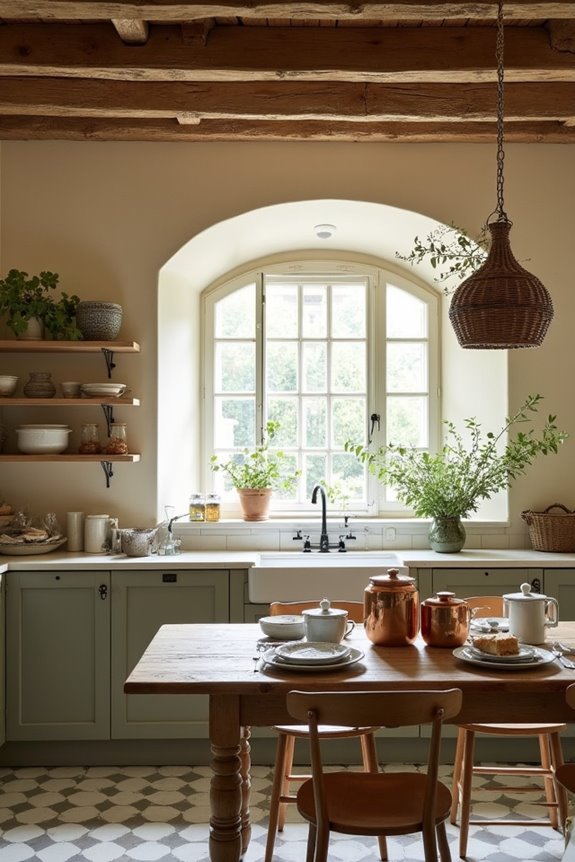
I’ve noticed farmhouse style sticks around because it genuinely works for real life—those durable wood tables and neutral backdrops don’t demand constant refreshing like trends that peak and fade. What keeps me returning is how the style balances that cozy rustic warmth with modern simplicity, so whether you’re decorating a cramped city apartment or a sprawling suburban home, the core ideas translate without feeling forced. Here’s the thing: when a design philosophy prioritizes both how spaces *function* and how they *feel*, it becomes less of a trend and more of a reliable blueprint that generations can adapt to their own needs.
Timeless Appeal Across Generations
Staying power—that’s what separates farmhouse from countless other design trends that’ve faded faster than white paint in direct sunlight. I’ve watched styles come and go, but farmhouse keeps winning hearts across generations. Here’s why it sticks around:
- Nostalgia hits differently. Farmhouse taps into our longing for simpler times and genuine connection—something we all crave, honestly.
- Functional beats flashy. These spaces work for real life. Neutral palettes and durable furnishings age beautifully instead of screaming “outdated” five years later.
- Built on honest materials and design. When you build on natural materials and straightforward aesthetics, you’re not chasing trends—you’re creating something that feels like home.
Farmhouse doesn’t demand reinvention every season. It just gets better with time, like a favorite worn sweater.
Balancing Trends With Authenticity
How do you keep a design style fresh without letting it turn into a caricature of itself? I’ve learned that modern farmhouse works because it balances authenticity with smart updating. You’re not chasing trends blindly—you’re honoring rustic elements while adding clean lines that feel current. This blend prevents that “overdone shiplap everywhere” vibe we’ve all seen.
| Element | Timeless | Trendy | Sweet Spot |
|---|---|---|---|
| Materials | Wood beams | All white | Mixed finishes |
| Nostalgia | Heavy vintage | Minimalist | Curated pieces |
| Colors | Dark browns | Stark white | Warm neutrals |
| Functionality | Basic | Fancy | Practical luxury |
The strength lies in mixing genuine rustic charm with contemporary practicality. That’s why farmhouse outlasts other trends—it feels real, not manufactured. You’re building a home that actually works for your life today while honoring timeless appeal.
Functionality Meets Aesthetic Longevity
- Durability over flash – Shiplap and wooden beams aren’t just visually appealing; they’re built to last decades without feeling dated to 2015.
- Flexible functionality – Open layouts and neutral palettes adapt as your needs change, whether you’re raising kids or downsizing later.
- Design that holds up – Unlike trendy colors or extreme styles, farmhouse elements remain relevant year after year.
The longevity comes from blending nostalgia with genuine usefulness. You’re not chasing what’s hot—you’re creating a space that actually supports how you live. That’s why it endures.